
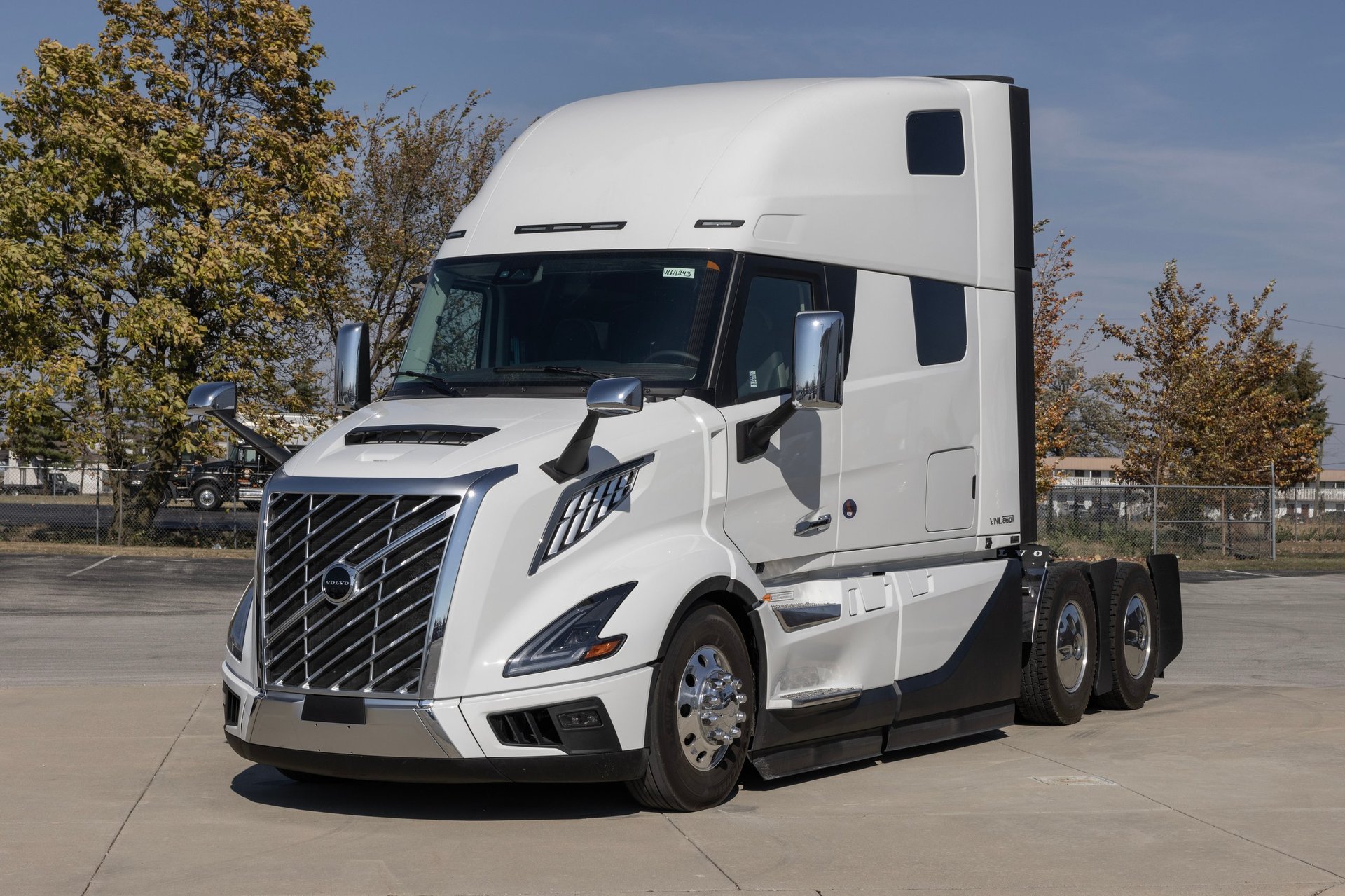
Freight Doesn't Fail. Ownership Does.
DC 222 LLC eliminates fragmentation in freight logistics by aligning operational control, financial responsibility, and compliance oversight under one authority.
We don't just dispatch loads.
We own what happens when they break.
We integrate operational control under one authority—no intercompany blame shifting, no delayed resolution loops, no scattered compliance records.
Where risk concentration is highest
Where strategic coverage is needed
One source of truth for all records
No running between parties
Defined limits, clear accountability
One authority. One escalation path. One outcome.
We specialize in volatility-prone lanes, including NE/SE corridors where stability requires structure—not scale.
Capacity tightens when you need it most
Compounds delay unpredictably
Increases detention risk
Audits become more frequent
Most freight failures begin before departure. Control the first mile. Protect the last mile.
Our pre-dispatch protocol includes:
In today's regulatory environment, compliance is competitive leverage.
Compliance is not paperwork. It is operational credibility.
On-Time Delivery
NE/SE Lanes | Q1–Q4 2025
Quote Response
Verified across lane agreements
Carrier Re-Book Rate
Returning customer loads
Case study snapshot available upon request
The Fragmentation Problem
The root cause of most freight disruptions isn't weather, equipment, or market conditions. It's fragmentation — when operational control, financial responsibility, and compliance oversight are scattered across multiple parties who point fingers at each other when something breaks.
In a typical freight transaction, no single party owns the entire outcome. The shipper owns the cargo. The broker owns the match. The carrier owns the truck. The receiver owns the dock. When a load goes sideways — a missed pickup, a detention dispute, a damaged shipment — each party has a structurally rational reason to deflect responsibility. The system is designed to produce blame cycles, not resolutions.
This is the Ownership Gap: the space between what each party controls and what they're willing to be held accountable for. The wider the gap, the more expensive the failure. And in traditional brokerage, the gap is structural — it is built into the model.
At DC 222 LLC, we close the Ownership Gap by unifying operational control, financial exposure, and compliance documentation under one authority. When something breaks, there is one phone number. One escalation path. One party that owns the outcome.
Pre-dispatch verification, confirmed pickup documentation, performance-scored carrier rotation, and escalation within 24 hours of variance. We control the first mile so you don't lose the last.
Defined liability boundaries, transparent pricing structures, and clear financial accountability. No hidden costs, no intercompany blame shifting, no unresolved claims.
Tiered carrier vetting, insurance threshold enforcement, unified documentation capture, and audit-ready reporting. Compliance is not paperwork — it's operational credibility.
A shipper hands cargo to a broker, who assigns it to a carrier. Three parties, three sets of incentives, zero unified accountability.
Late pickup, detention, damaged freight, or a missed delivery window. The event itself is rarely catastrophic. The response is.
The carrier blames the shipper. The shipper blames the broker. The broker blames the receiver. Each party has a structurally rational reason to deflect.
Escalation drags on for days. Documentation gets scattered. Financial exposure compounds. A recoverable event becomes a margin-destroying loss.
We collapse the chain. One authority, one escalation path, one party that owns the outcome — from tender to settlement. When the phone rings, there is no one to transfer the call to.
The freight didn't fail. The structure did.
Every preventable freight loss traces back to an Ownership Gap — a moment where someone could have acted, but wasn't accountable to. Closing that gap is not a service. It's a structural advantage.
Request a QuoteFrom retail goods to industrial equipment, we have the expertise to handle diverse freight needs.
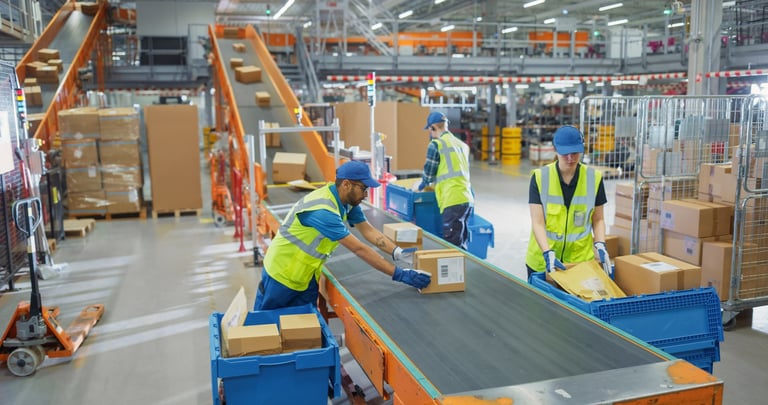
Inventory, fulfillment, and last-mile solutions
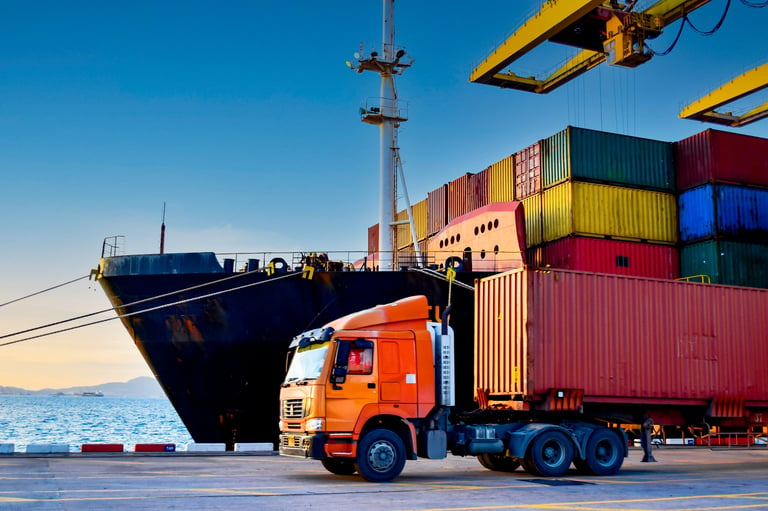
Raw materials and finished goods transport
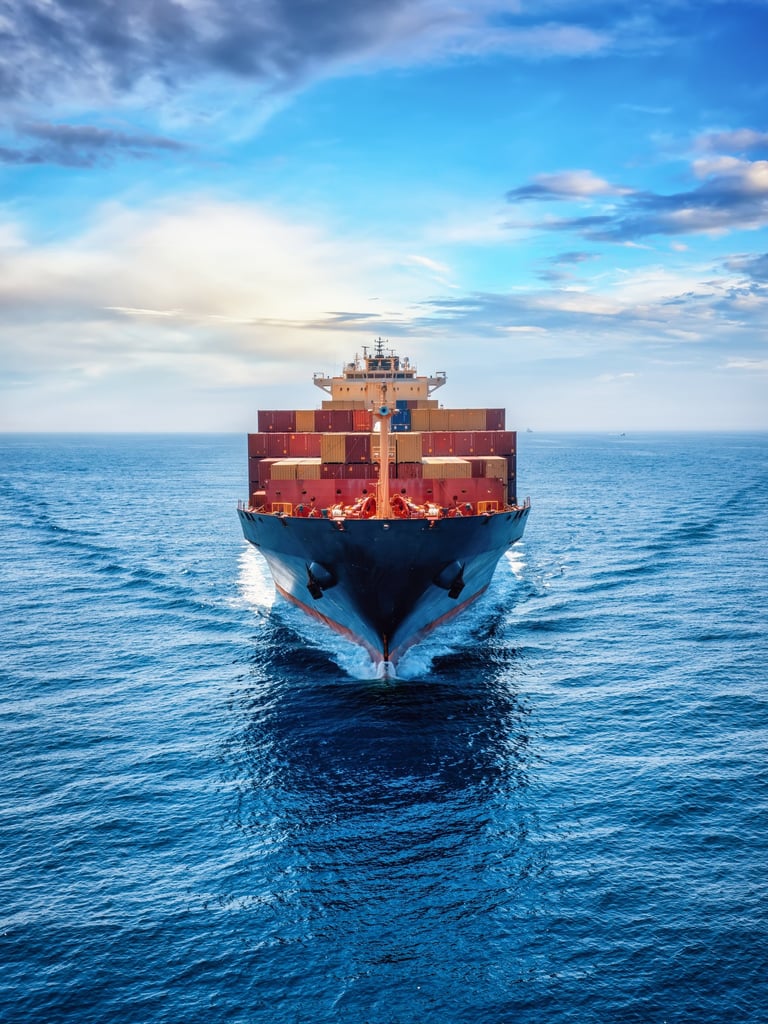
Produce, grain, and farm equipment hauling
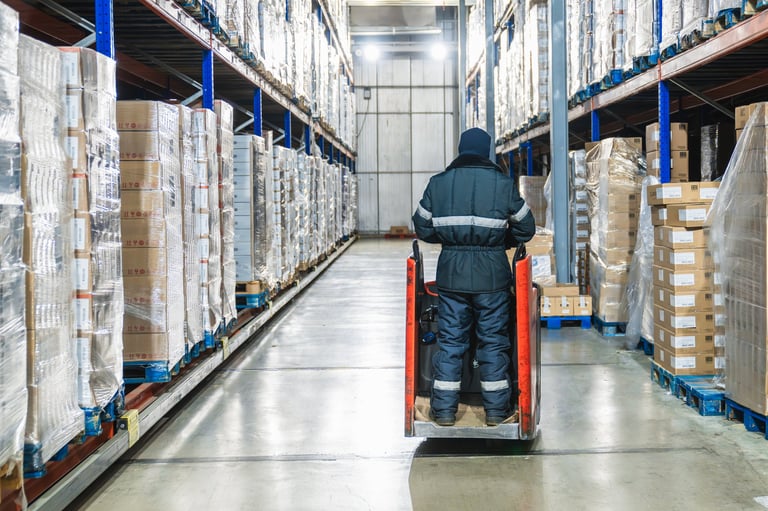
Refrigerated and temperature-controlled freight
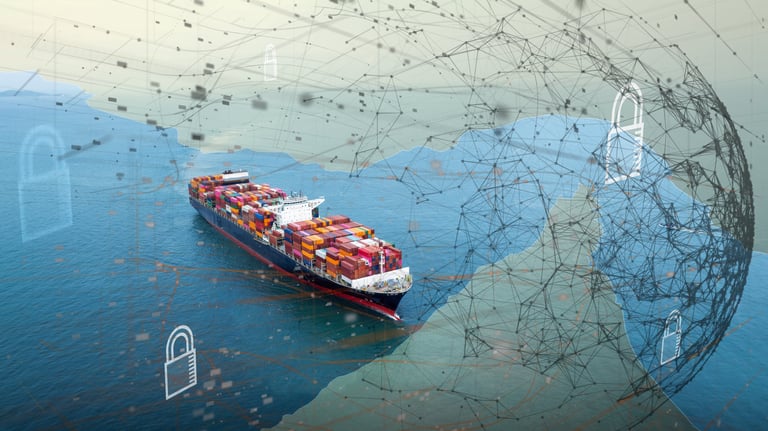
Heavy equipment and building materials
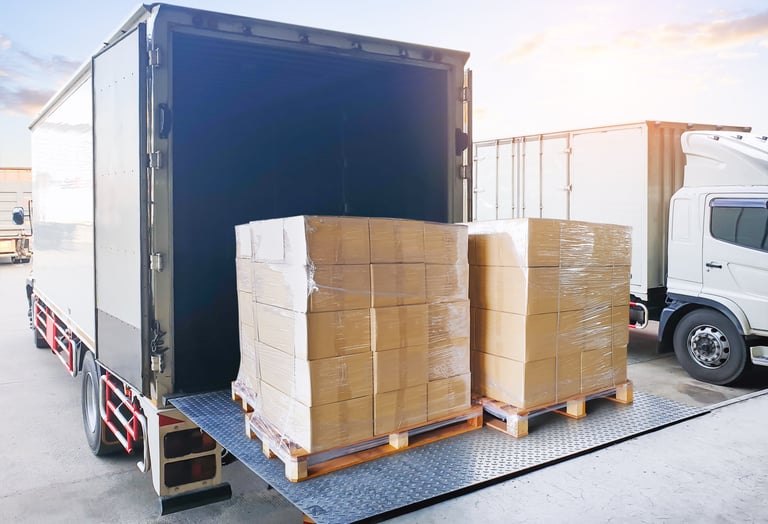
Parts, components, and vehicle transport
One call covers it all — shipper or carrier.
Competitive rates, vetted carriers, fast pay, and one escalation path when it matters.